The Visual Identity Manual defines the graphic and communicative principles that ensure consistency and recognition of the Nahuatl–Totonaco Multilingual Corpus Project across all its materials and platforms. It establishes the visual standards that reflect the project’s intercultural, scientific, and technological essence, combining traditional symbolism from indigenous languages with contemporary design aligned to academic and innovation values.
This manual specifies the use of logos, color palettes, typography, and visual elements that represent the unity between linguistic heritage and artificial intelligence. It also includes guidelines for correct logo applications in digital and printed formats, institutional co-branding with BUAP, UPMP, and collaborating entities, and recommendations for inclusive visual communication.
Through this identity system, the project seeks to convey a message of respect, collaboration, and technological empowerment of Mexico’s linguistic diversity, positioning the Nahuatl–Totonaco initiative as a model for digital preservation and applied AI in indigenous contexts.
1. Introduction
This manual defines the visual, verbal, and symbolic foundations that represent the identity of the TonalliCorpus project — a technological and cultural initiative that connects ancestral heritage with contemporary digital innovation. It establishes the principles that ensure visual coherence and conceptual unity across all communication and dissemination materials.
2. General Identity
This section outlines the conceptual and symbolic elements that shape the project’s essence:
-
Meaning: Tonalli (Sun, Day, Vital Energy) + Corpus (Body, Collection)
-
Tagline: “The Voice of the Day”
-
Value Promise: A living body of indigenous languages, created so that no one is left without a voice. TonalliCorpus builds bridges between worlds that once could not speak to each other, allowing ancestral words to live on in the present with dignity, wisdom, and respect.
3. Verbal Identity
Defines the linguistic and communicative tone that conveys the project’s soul:
-
Mission: To facilitate communication and learning of indigenous languages — primarily Nahuatl and Totonaco — through an accessible digital tool designed for everyone, with a special focus on Puebla’s communities. To promote respect, preservation, and pride in cultural roots by connecting the ancestral with the contemporary.
-
Vision: To become Mexico’s leading translator and cultural reference for indigenous languages, recognized for its contribution to linguistic and cultural preservation, community and academic outreach, and its inspiration for future generations to keep their languages and traditions alive.
-
Core Attributes: Ancestral Respect · Bridge of Knowledge · Human Access · Voice with Spirit · Education for the Future
-
Key Phrase:
“The first digital tool that preserves and translates indigenous languages with dignity, wisdom, and respect—so that everyone can reconnect with their roots and amplify their voice.”
4. Brand Positioning and Comparison Table
Explains TonalliCorpus’ conceptual positioning in contrast with other translation or educational platforms.
It highlights how TonalliCorpus stands out through its emotional, educational, and cultural approach rather than a purely functional or mechanical one.
| Element | TonalliCorpus | Generic Translator | Traditional Educational Platform |
|---|---|---|---|
| Purpose | Preserve and connect indigenous languages | Fast and generic translation | Teach structured content |
| Tone | Affectionate, wise, respectful | Cold, automated | Formal, technical |
| Visual Style | Cultural, ancestral symbolism | Minimalist, modern | Institutional, academic |
| Experience | Emotional, spiritual, educational | Functional, instantaneous | Evaluative, didactic |
4. Brand Positioning and Comparison Table
5. Visual Identity
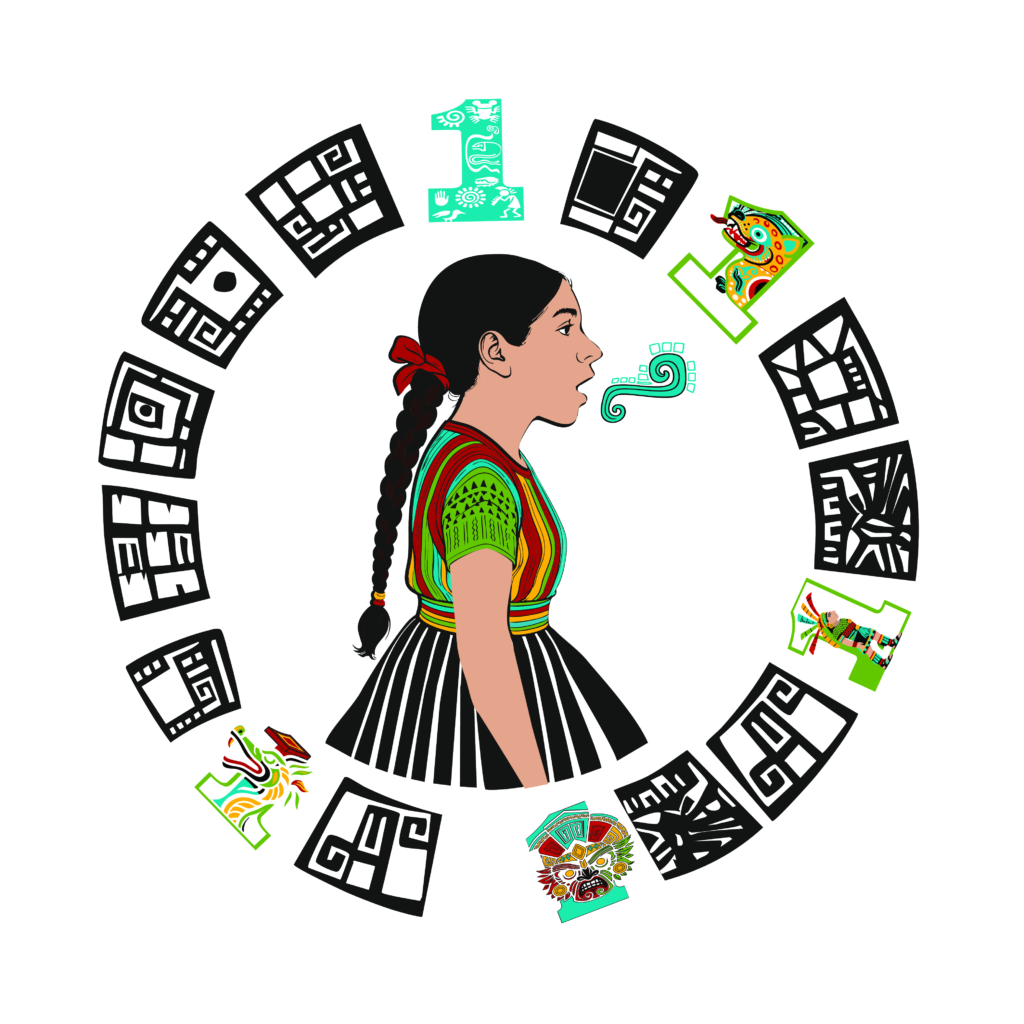
Details the graphic components that ensure consistent communication of the brand:
- Logotype: Main representation of the TonalliCorpus name.
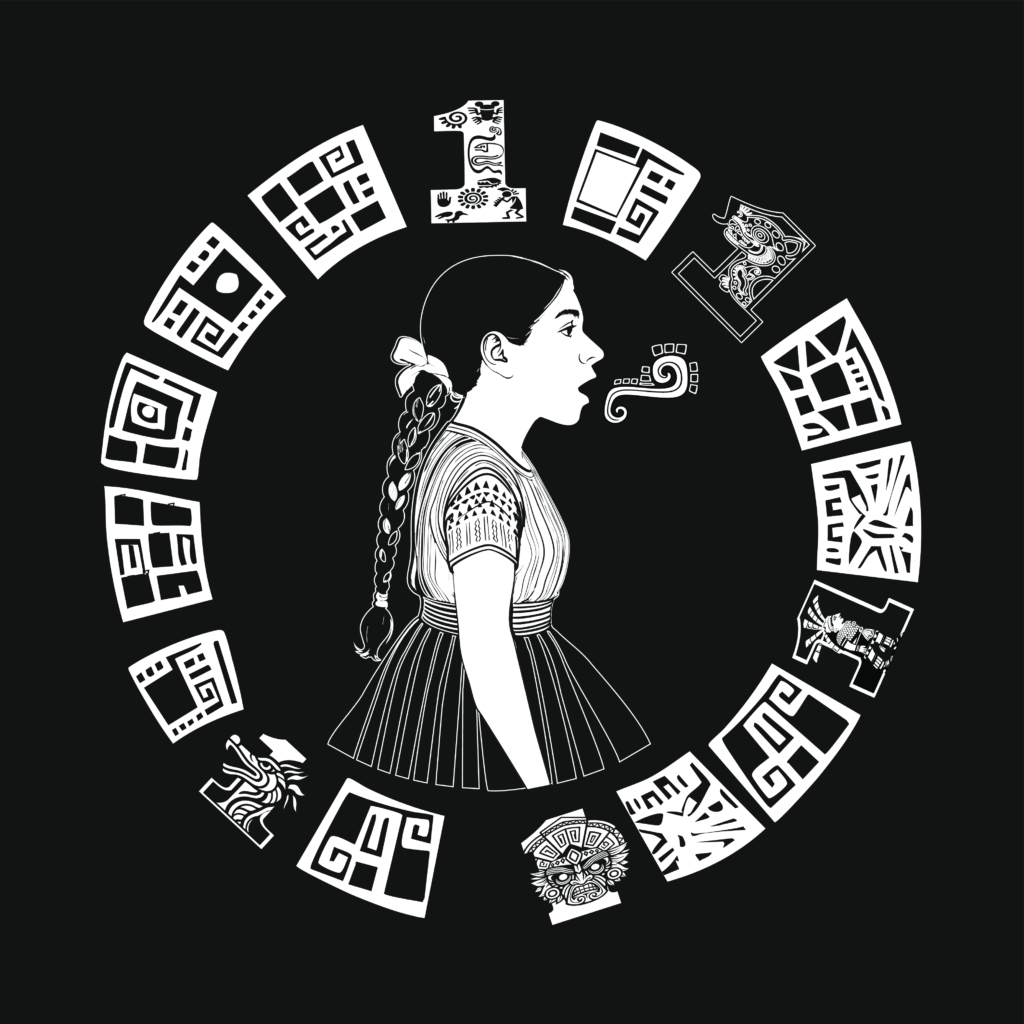
- Imagotype and Isotype: Symbolic and simplified versions for various applications.
- Color Variants: Approved adaptations for dark and light backgrounds.
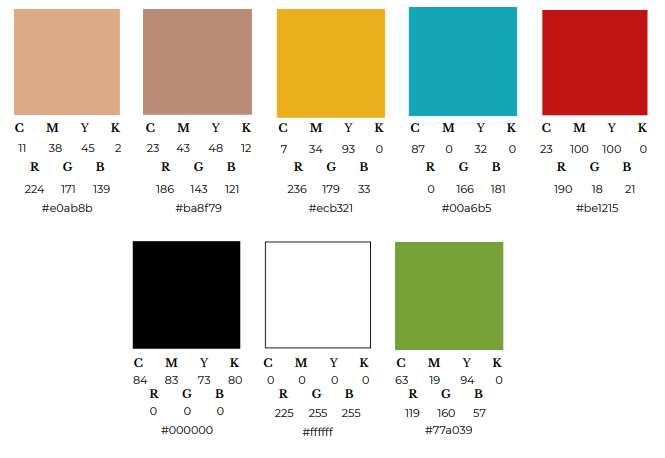
- Color Palette: Official chromatic scheme (with HEX, RGB, and CMYK codes). Examples: #ecb321 (gold), #00a6b5 (turquoise), #77a039 (green), #be1215 (red), #000000 (black), #ffffff (white).
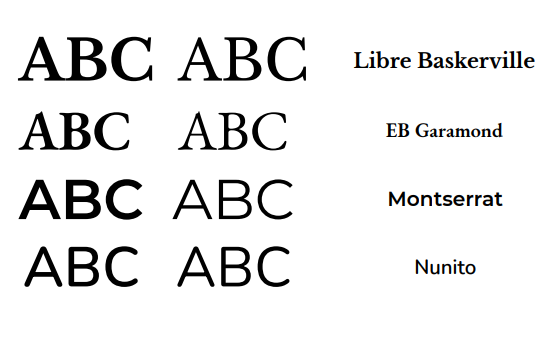
- Typography:
- Libre Baskerville and EB Garamond — for titles and subtitles.
- Montserrat and Nunito — for body text and digital content.
6. Brand Applications
Shows how the visual identity should be implemented across materials and platforms:
-
Digital interfaces (website, app, dashboards)
-
Printed materials (flyers, posters, reports)
-
Institutional and academic co-branding (BUAP, UPMP, and partner entities)
-
Social media and outreach visuals
7. Brand Usage Guidelines
Provides practical recommendations to ensure correct and respectful brand use:
- Proper and improper logo applications
- Minimum size and safe zone
- Background and color restrictions
- Typography and proportional rules
- Co-branding alignment with partner institutions
8. Institutional Message
A concluding section that summarizes the brand’s philosophy:
“Every application of the TonalliCorpus brand helps keep linguistic diversity alive, showing that technology can speak with respect, wisdom, and humanity.”
Download the Manual of Brand (English Version, Spanish Version)
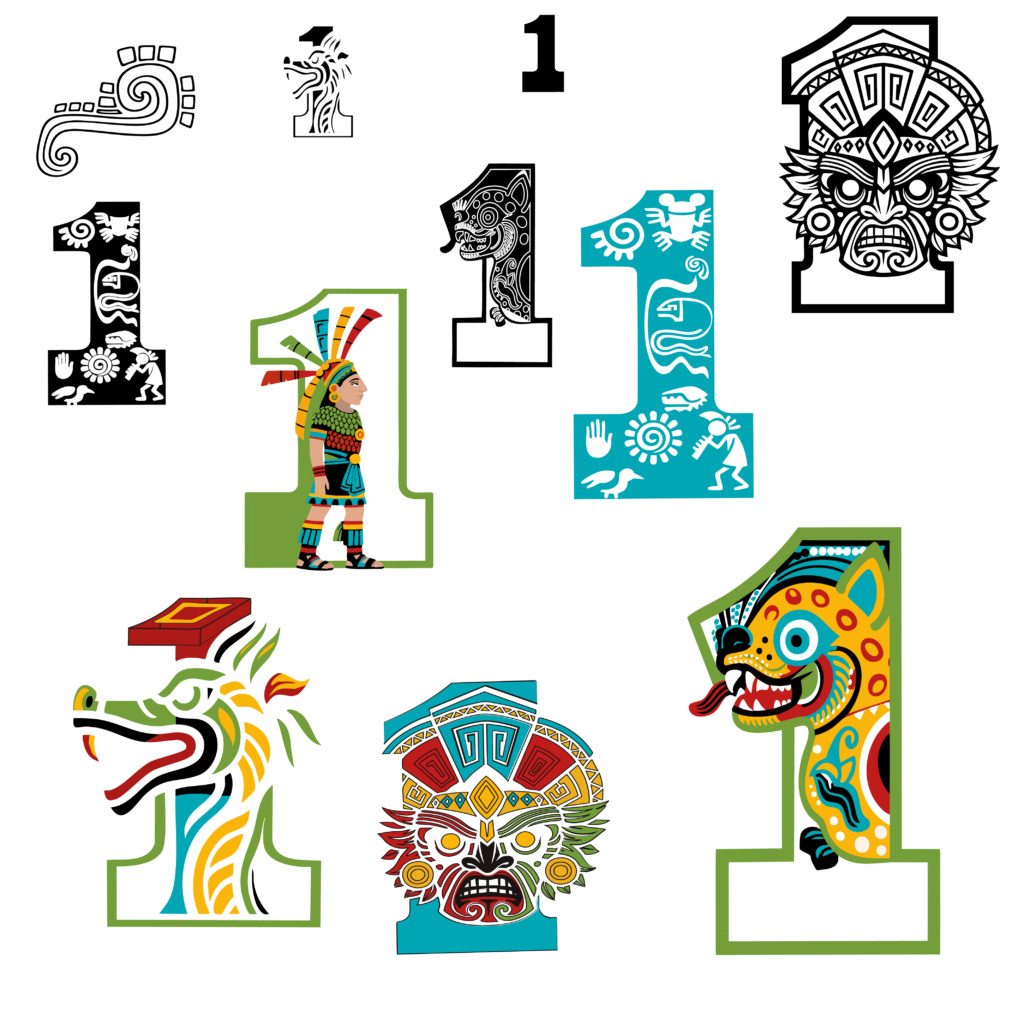
Image samples