
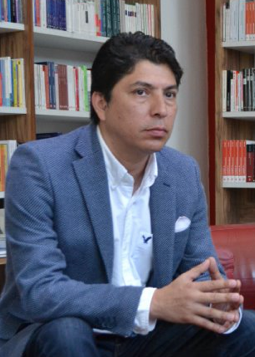
Dr. David Eduardo Pinto Avendaño is a Professor and Researcher at the Benemérita Universidad Autónoma de Puebla (BUAP), where he leads the Laboratory of Language and Knowledge Engineering. He is the current Director of Innovation and Knowledge Transfer Department. His work focuses on natural language processing, multilingual corpus construction, and the application of artificial intelligence for cultural and linguistic preservation. Within the Nahuatl–Totonaco project, he coordinates the interdisciplinary integration of computational linguistics, data engineering, and community-based collaboration to build a robust multilingual parallel corpus that supports research, digital inclusion, and the revitalization of indigenous languages in Mexico.
Dr. Pinto is an expert in artificial intelligence and its cross-disciplinary applications, including machine learning, robotics, knowledge engineering, and data science. He has authored and co-authored numerous scientific publications indexed in international databases and has participated in several patents related to intelligent systems, language technologies, and smart infrastructures. His extensive experience leading national and international research projects bridges diverse fields—from computational linguistics and cognitive modeling to Industry 4.0 and smart city innovation—reflecting a commitment to advancing science and technology with strong social and cultural impact.
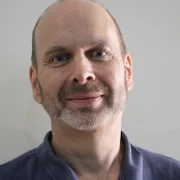
Dr Brett Drury is a dual British-Portuguese researcher and lecturer at Liverpool Hope University, currently a visiting researcher at Rothamsted Research. He earned his Doutoramento (PhD) at the Universidade do Porto, Portugal, under the supervision of Prof Luis Torgo, and completed postdoctoral research at the Universidade de São Paulo, Brazil. He was also a research fellow at the University of Galway.
Dr Drury’s work spans academia and industry, combining expertise in data science, software engineering, and applied research. His multidisciplinary background enables him to tackle complex problems at the intersection of computation and real-world applications, making him a key contributor to collaborative research projects.
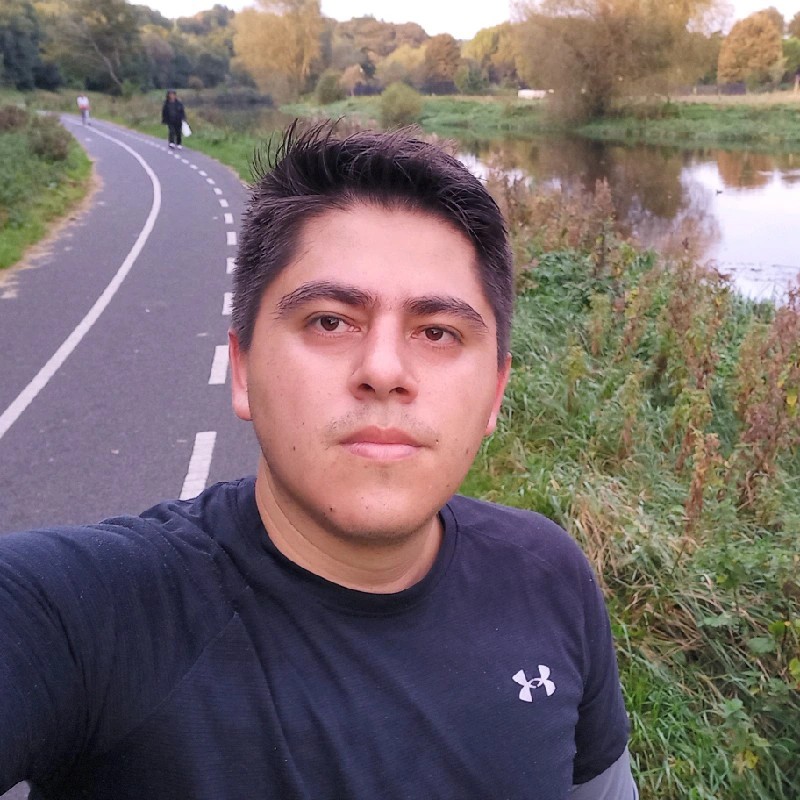
Victor Morales is an academic and researcher with a PhD in Language and Knowledge Engineering, specialized in Natural Language Processing (NLP) and Information Retrieval, including applications in recommender systems, sentiment analysis, and text classification. He completed his PhD at the Benemérita Universidad Autónoma de Puebla (BUAP), supported by the Government of Mexico through SECIHTI. He has completed two research internships: one at the School of Enterprise Computing and Digital Transformation, Technological University Dublin (TU Dublin), funded by the European Union Erasmus+ program, and another at the Instituto de Investigaciones en Matemáticas Aplicadas y en Sistemas (IIMAS), Universidad Nacional Autónoma de México (UNAM).
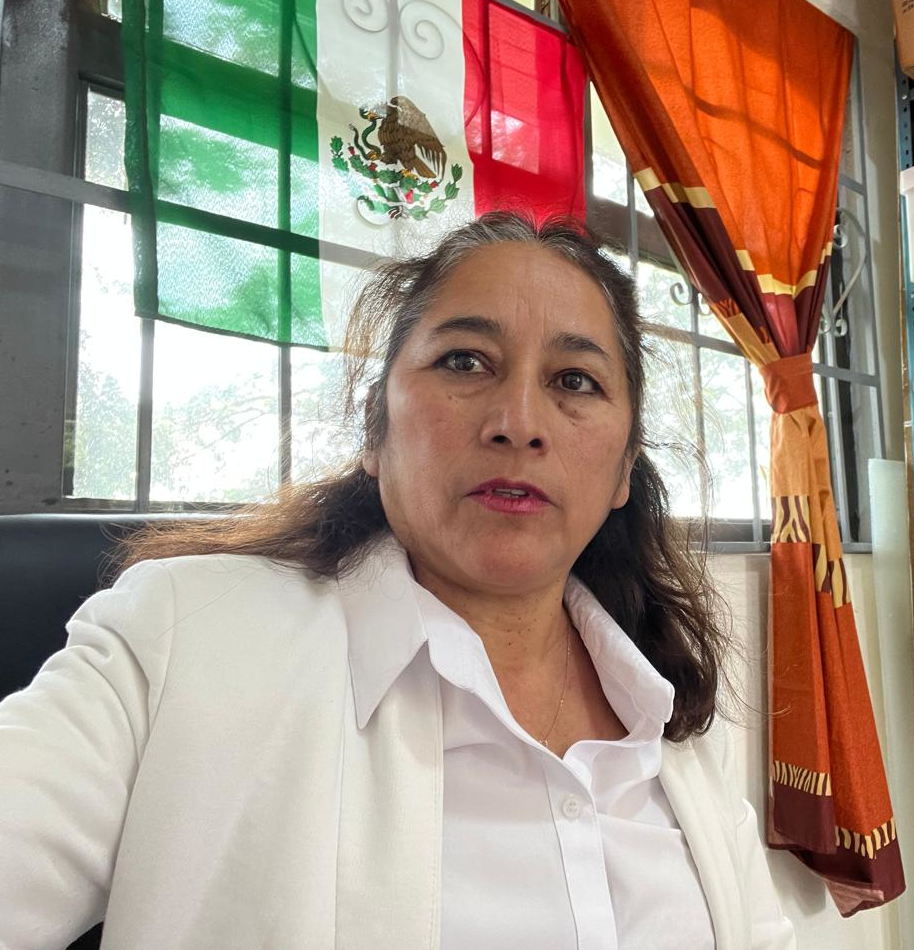
Dra. Sofía Paniagua Rivera holds a Ph.D. in Education with a specialization in Learning and Knowledge Technologies in Virtual Environments. She is an experienced educator and academic coordinator with a strong background in educational management, innovation, and intercultural approaches to learning.
As the official contact from SEP Puebla for the “Constructing a Multilingual Parallel Corpus Dataset of Nahuatl and Totonaco Variations” project, Dr. Paniagua Rivera facilitates coordination with secondary schools where Nahuatl is spoken. She manages institutional linkages, supervises collaboration with school authorities, and supports the organization of recording sessions and dissemination activities across the region.
Her work focuses on promoting critical interculturality and the inclusion of indigenous languages and knowledge systems within formal education. Through her role at the Secretariat of Public Education of the State of Puebla (SEP Puebla), she has contributed to the design and implementation of educational strategies that integrate digital technologies, community participation, and cultural diversity as key elements for equitable learning.
Dr. Paniagua Rivera actively collaborates with academic institutions and community organizations to strengthen the recognition and revitalization of indigenous languages, particularly Nahuatl, through school-based programs and intercultural dialogue.
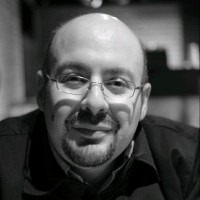
Dr. Iván Deance is the Intercultural and Indigenous Languages Liaison Coordinator for the Lacuna Project, where he leads initiatives focused on the preservation, documentation, and revitalization of Indigenous languages. His work bridges academic research and community engagement, ensuring that linguistic and cultural diversity are central to the project’s mission. Through his expertise, he fosters collaborative frameworks between educational institutions, Indigenous communities, and cultural organizations.
An expert in Memory, Orality, and Cultural Diversity, Dr. Deance’s academic trajectory emphasizes the relationship between language, identity, and collective knowledge. His contributions highlight the importance of intercultural dialogue and the transmission of ancestral wisdom through oral traditions. He is committed to promoting linguistic justice and empowering Indigenous voices within contemporary educational and research contexts.
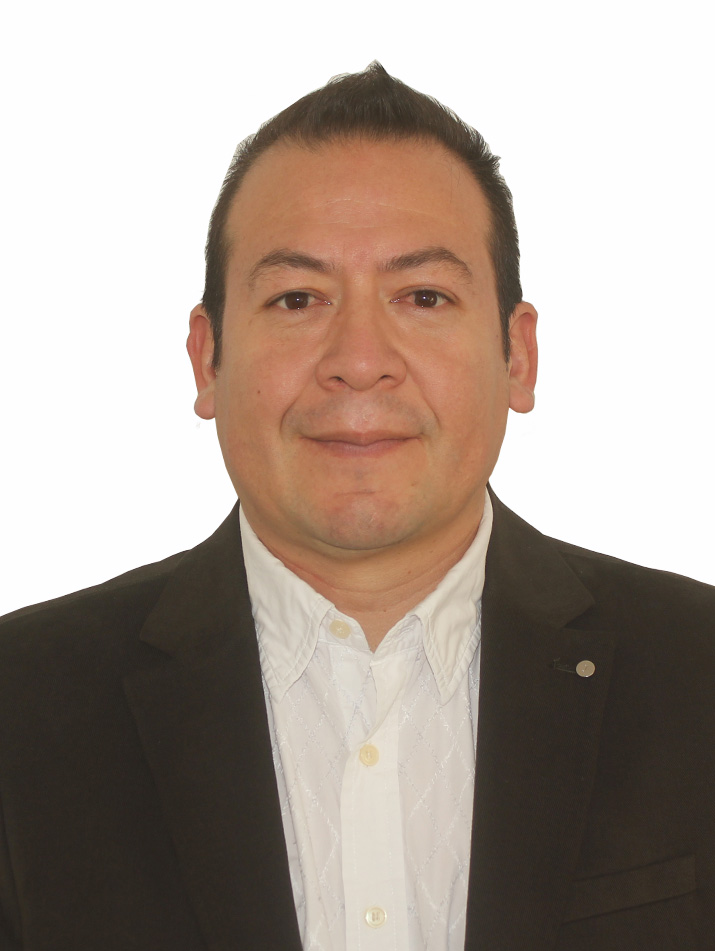
Dr. Fernando Perez Tellez is an academic researcher affiliated with Technological University Dublin (TU Dublin). He serves as a Lecturer in the School of Enterprise Computing and Digital Transformation, where he specializes in several key areas of computer science such as Natural Language Processing, Ethical AI, Cloud Computing and High Performance Computing. Dr. Perez Tellez’s educational background, connections with the industry and extensive expertise underpin his contributions to both academia and industry.
He is acting as Chief Expert for WorldSkills International for Cloud Computing since 2018 where he is responsible of coordinating the international championship in Cloud Computing. Dr. Perez Tellez is also acting as Chief Examiner for WorldSkills Ireland in Cloud Computing since 2018. Dr Perez Tellez is an evangelist for Cloud Computing and the organiser of several activities to promote the adoption of Cloud Technologies.
His research interests are diverse and impactful, spanning fields such as applied Machine Learning to the Health sector design, intelligent systems, trustworthy AI, and intelligent technologies for knowledge. These areas are critical for advancing modern technology solutions aimed at addressing contemporary challenges in society and healthcare sector.
At TU Dublin, Dr. Perez Tellez is actively involved in teaching and mentoring Master and PhD students, delivering relevant courses that cover Machine Learning and Cloud Computing with an ethical perspective. He integrates his research insights into his teaching, providing students with up-to-date knowledge and encouraging innovative thinking.
In addition to his academic and research endeavors, Dr. Perez Tellez is engaged in collaborative projects with industry partners seeking to bridge the gap between academic research and practical applications. Also he has an ongoing collaboration with Public Hospitals in Ireland to develop projects with social impact.
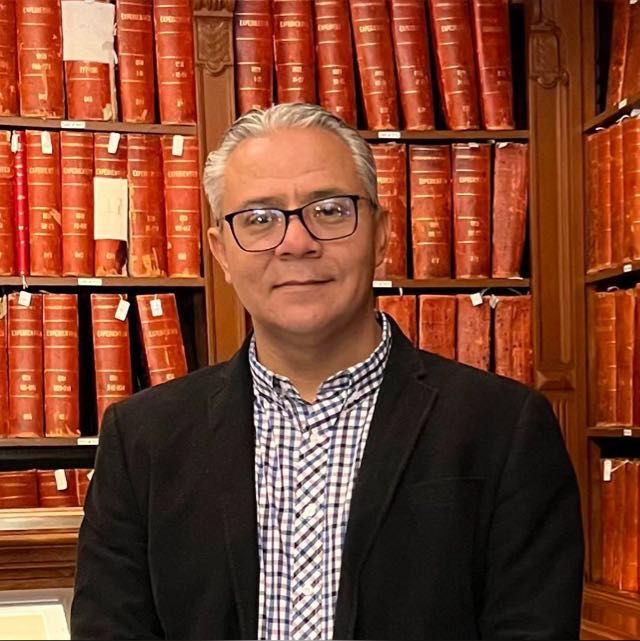
Rubén Ayala Lugo is a member of the Direction of Innovation and Knowledge Transfer (DITCo) at the Benemérita Universidad Autónoma de Puebla (BUAP), where he contributes to the coordination and execution of institutional innovation and technology projects. Within the project “Constructing a Multilingual Parallel Corpus Dataset of Nahuatl and Totonaco Variations,” he serves as the Project Manager, overseeing operational planning, timelines, resource coordination, and the integration of project activities across interdisciplinary teams.
Rubén’s professional background includes experience in project management, institutional coordination, and the implementation of innovation-driven initiatives within BUAP. His role ensures that the project’s fieldwork, data management, academic collaboration, and administrative processes remain aligned with the objectives and standards required by the funding agencies and the university. He works closely with researchers, students, and external partners to support smooth project execution, risk mitigation, and effective communication among all stakeholders.
Through his leadership and organizational capabilities, Rubén Ayala Lugo provides the structural and managerial support necessary for the development of a high-quality multilingual corpus and the successful advancement of the project’s scientific and cultural goals.
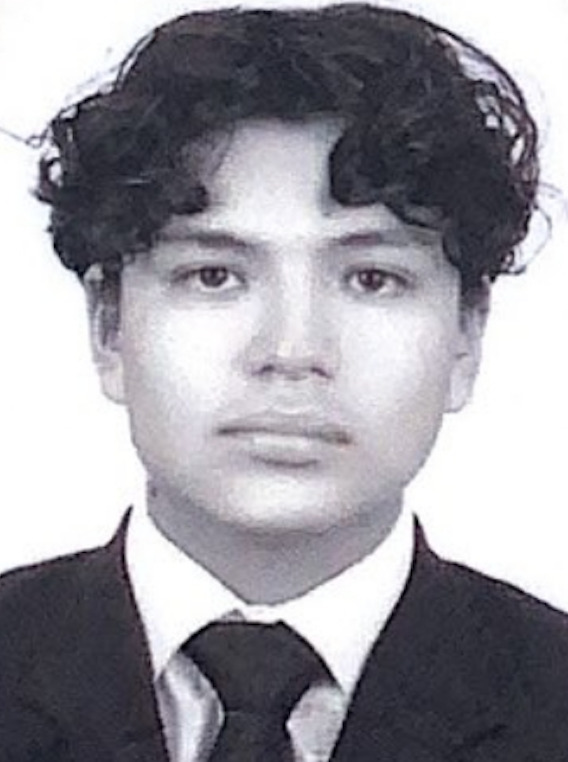
Ricardo Álvarez Sánchez is a Master’s student in the Data Science program at the Benemérita Universidad Autónoma de Puebla (BUAP). His academic work focuses on the application of data science methods to the analysis of indigenous language speech recordings, with a particular interest in developing computational models based on Nahuatl and Totonaco audio data. His thesis aims to explore signal processing, machine learning, and statistical modeling techniques to better understand linguistic patterns and support the creation of resources for low-resource language technologies.
In the project “Constructing a Multilingual Parallel Corpus Dataset of Nahuatl and Totonaco Variations,” Ricardo contributes to the fieldwork component by assisting in the recording of interviews with native speakers and supporting the organization, quality control, and preparation of the resulting audio datasets. His participation adds a strong analytical perspective to the project, bridging raw linguistic data with emerging data science methodologies.
Ricardo’s developing expertise in machine learning, audio analysis, and corpus preparation strengthens the project’s long-term objectives of building robust datasets and advancing computational tools for indigenous languages. His interdisciplinary background and commitment to responsible data-driven research make him a valuable member of the team.
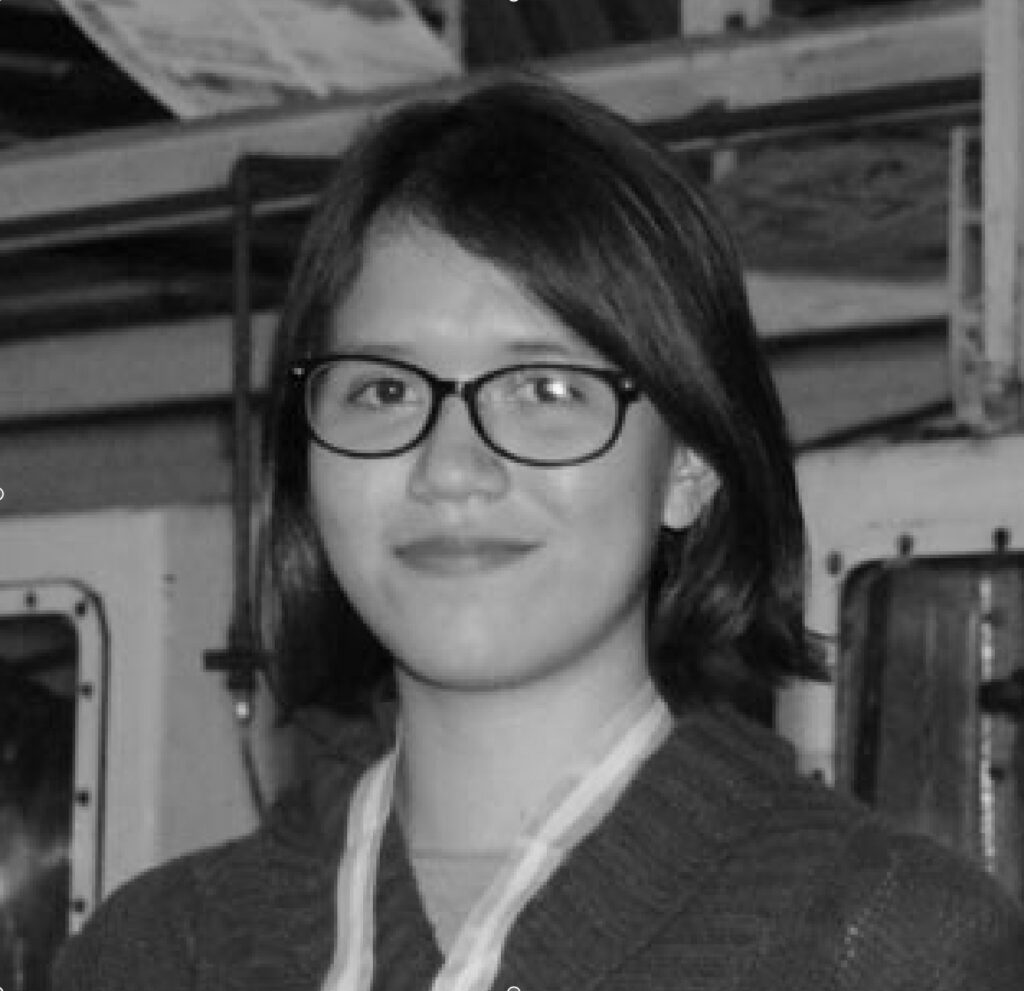
Geraldine Lomelí Ponce is a Master’s student in the Data Science program at the Benemérita Universidad Autónoma de Puebla (BUAP). Her academic interests lie in the intersection of machine learning, data analysis, and computational approaches for studying linguistic variation. As part of her graduate work, she is developing a thesis focused on the analysis of Nahuatl and Totonaco speech recordings to support the construction of data science models that can contribute to the understanding and technological preservation of these indigenous languages.
Within the project “Constructing a Multilingual Parallel Corpus Dataset of Nahuatl and Totonaco Variations,” Geraldine participates in the recording of interviews with native speakers and assists in the organization and processing of audio data collected during fieldwork. Her contributions strengthen the project’s capacity to generate high-quality datasets and integrate data science methodologies into linguistic documentation.
Geraldine’s growing expertise in machine learning, dataset curation, and audio analysis provides valuable support for the project’s broader goals, enhancing the development of computational tools and insights for low-resource languages. Her commitment to interdisciplinary research and ethical data practices makes her an important member of the project team.
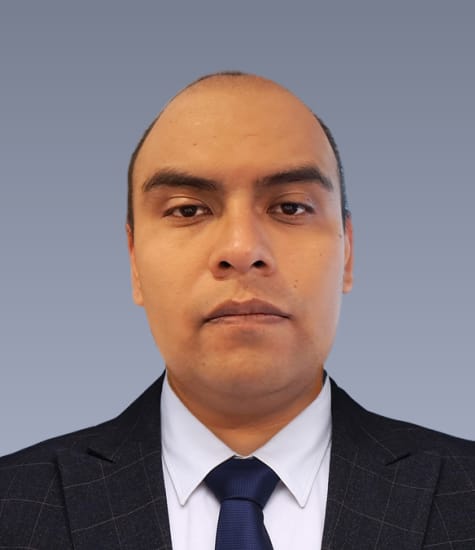
Edgar Abidán Padilla Luis is a PhD student in the Doctoral Program in Language & Knowledge Engineering (LKE) at the Benemérita Universidad Autónoma de Puebla (BUAP). His research focuses on the development of an automatic transcription system for the Nahuatl and Totonaco languages, specifically targeting the linguistic variants spoken in the State of Puebla. His work combines natural language processing, speech technologies, and computational linguistics to support the creation of digital tools for indigenous language documentation and revitalization.
Within the project “Constructing a Multilingual Parallel Corpus Dataset of Nahuatl and Totonaco Variations,” Edgar contributes to the fieldwork and corpus-building activities by helping to record interviews with native speakers, ensuring high-quality audio capture, and assisting in the collection of accurate linguistic metadata. His participation strengthens the project’s technical and linguistic foundations, bridging computational research with community-engaged language documentation.
In addition to his project responsibilities, Edgar is developing expertise in speech processing, dataset preparation, and annotation tools—skills that directly support both his doctoral thesis and the larger goal of improving automatic speech recognition for low-resource indigenous languages. His commitment to integrating advanced AI techniques with cultural and linguistic preservation makes him a valuable member of the project team.
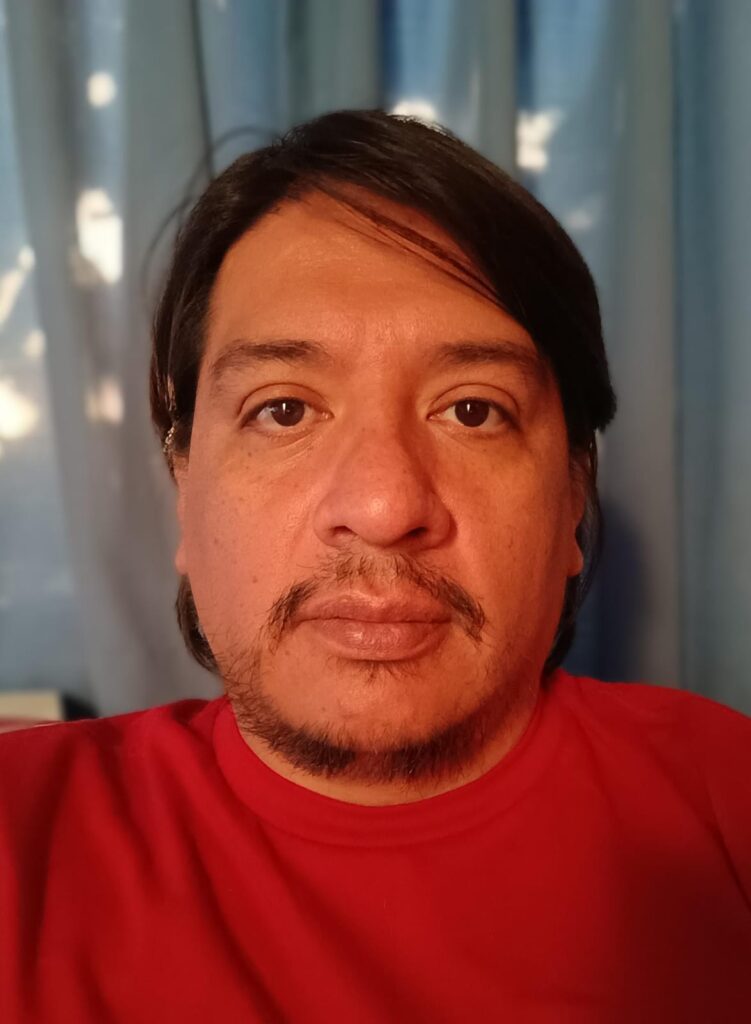
Alberto Esteban Reyes Peralta is a PhD student in the Doctoral Program in Language & Knowledge Engineering (LKE) at the Benemérita Universidad Autónoma de Puebla (BUAP). His doctoral research focuses on the development of a Large Language Model (LLM) designed to support the automation of processes within a material synthesis laboratory. His work integrates artificial intelligence, knowledge representation, and engineering automation to create intelligent systems capable of assisting experimental workflows and decision-making in scientific environments.
As part of the project “Constructing a Multilingual Parallel Corpus Dataset of Nahuatl and Totonaco Variations,” Alberto contributes to the fieldwork activities by assisting in the recording of interviews with native speakers and ensuring the proper capture and organization of linguistic data. His participation strengthens the technical and operational aspects of the project, particularly in tasks related to audio collection, dataset management, and the preparation of digital resources for later transcription and annotation.
Alberto’s background also includes experience in machine learning, natural language processing, and AI-driven automation—skills that complement both his doctoral work and the project’s broader goal of building robust, high-quality corpora for indigenous languages. His interdisciplinary approach, combining advanced computational methods with real-world data collection, makes him a valuable member of the research team.
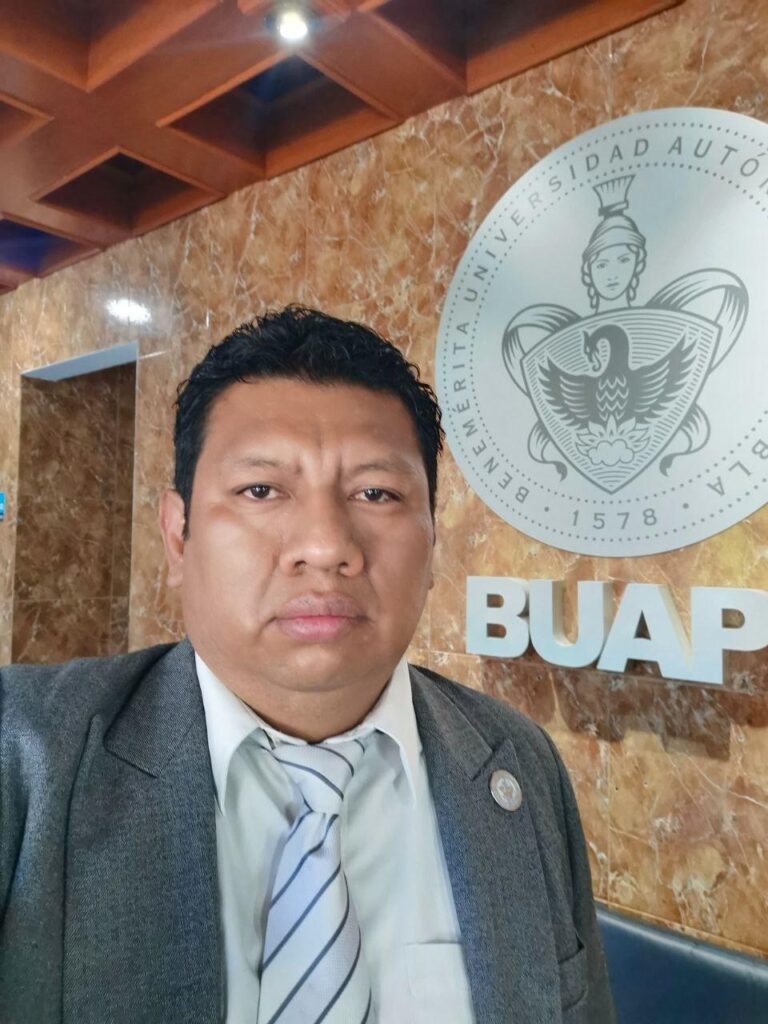
M.C.C. Rodolfo Martínez Torres is the Computer Technician in the project Constructing a Multilingual Parallel Corpus Dataset of Nahuatl and Totonaco Variations, where he contributes to the technical design, implementation, and maintenance of computational resources required for data processing, organization, and analysis.
He currently teaches computing-related courses at the Enrique Cabrera Barroso Preparatory School, where he combines solid technical training with educational experience, fostering digital and computational skills among students at the upper-secondary level.
Mr. Martínez Torres has maintained a close and continuous collaboration for more than a decade with the Language and Knowledge Engineering (LKE) research group. During this time, he has actively participated in the development of research projects, the preparation of technical components and digital infrastructures, and the dissemination of scientific results. His contributions include co-authoring academic publications, supporting data-driven research activities, and collaborating in the organization of national and international conferences and academic events.
His professional profile reflects a strong commitment to interdisciplinary research, applied computing, and long-term academic collaboration, bridging educational practice with advanced research initiatives in language technologies and knowledge engineering.
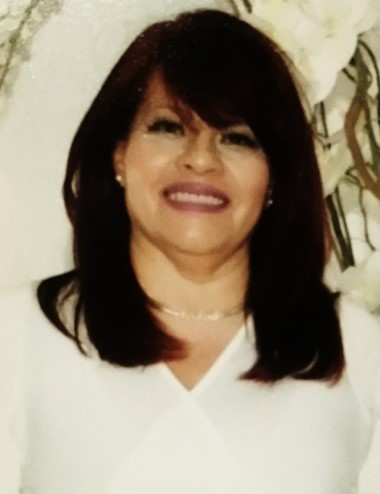
Sandra Benavides Chávez holds a PhD in Methodologies for the Sciences of Learning and Education. She is an ethnographic researcher, writer, composer, and director of the Music and Cultural Group Kaleidoscopio. Her work is focused on the preservation, dissemination, reproduction, and original creation of literary and musical materials that describe the worldview of Mexico’s diverse Indigenous peoples, their popular history as a transcendent heritage for future generations, their ancient languages, culture, values, and ancestral traditions. Her mission is to be the voice that sings and the hands that play pre-Hispanic musical instruments in order to make known the ancestral language of Mexico’s millennia-old roots and culture. She represents the voice of many women who have been silenced, as well as of those who have much to say.
Through literary creation, musical composition, and singing, she develops projects dedicated to the dissemination of ancestral culture in Totonac, Nahuatl, Purépecha, Maya, and Zapotec, among other languages. Additionally, she works to recover and highlight the great value of Mexico’s artistic and cultural heritage, in collaboration with the Benemérita Universidad Autónoma de Puebla (BUAP), the University of Guadalajara, ETAC University, and the National Polytechnic Institute.
She has published and disseminated various literary works through radio, television, and social media, such as Palabra de Maestro, Vida y Letras, and El Corazón de las Artes, participating in national and international poetry and literary creation projects focused on women’s development. She is a lecturer and speaker in museums, cultural centers, and concert halls, collaborating in recitals and cultural projects at venues including the Azcapotzalco House of Culture, Jaime Torres Bodet Cultural Center, the IPN International Book Fair, the Chocolate Museum, Centro Xochimilco, the CECyT 14 Library, and FARO Cosmos, among others, promoting inclusion, diversity, knowledge, unity, and fraternity. In 2025, the National Polytechnic Institute awarded her the Distinction for Polytechnic Merit in Culture.
The Citizen Commission for Democracy and Human Rights A.C. of Heroica Puebla de Zaragoza has also granted her the national Ave Fénix Award in recognition of her artistic and cultural work.
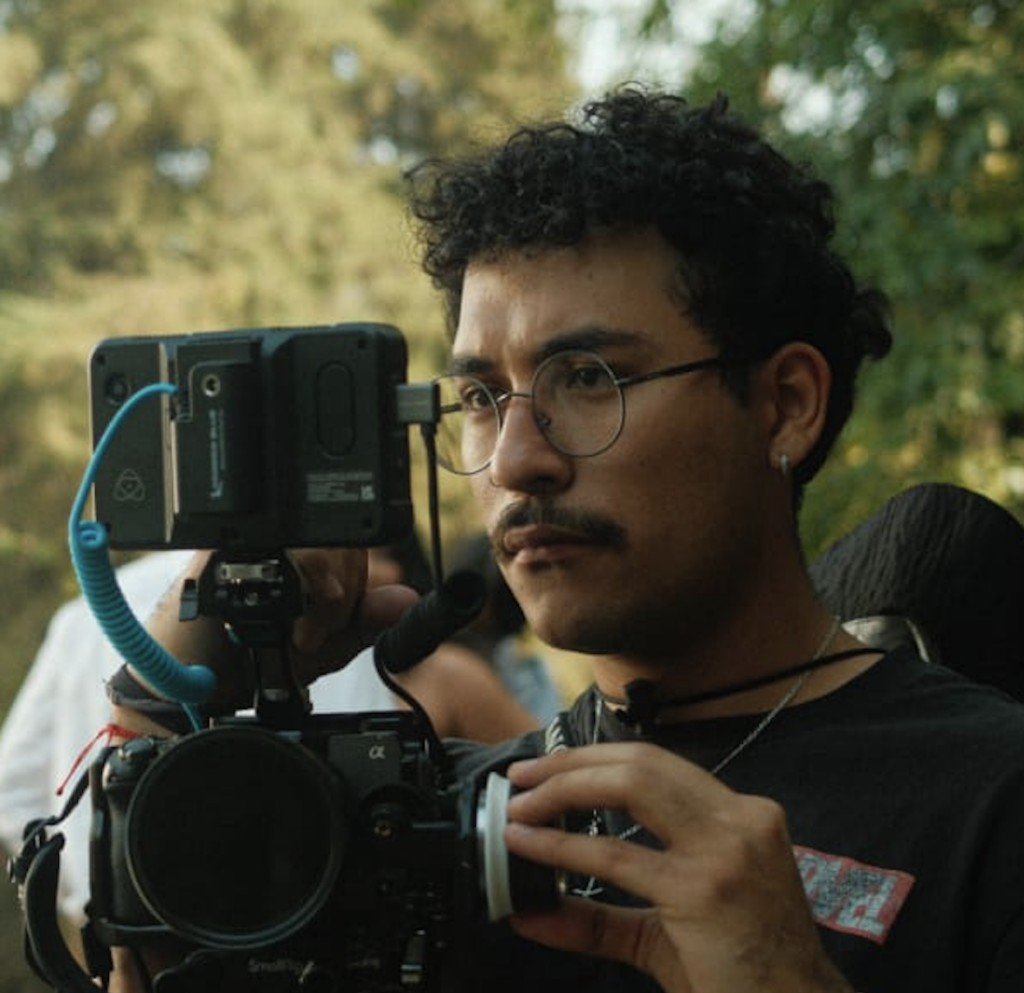
Ivan Pinto Gomez serves as a Film Student and Video Editor within the international project “Constructing a Multilingual Parallel Corpus Dataset of Nahuatl and Totonaco Variations.” His primary responsibility is the audiovisual documentation of the fieldwork processes associated with the recording of native speakers of Nahuatl and Totonaco.
In this role, he designs, captures, and edits video materials that document the end-to-end process of conducting interviews with indigenous speakers, ensuring that the recordings accurately reflect both the linguistic content and the cultural context in which it is produced. His work involves setting up and managing recording equipment in diverse field environments, maintaining audio-visual quality standards, and applying best practices in framing, lighting, and sound capture to support subsequent linguistic analysis.
Additionally, Ivan is responsible for post-production tasks, including video editing, synchronization of audio and visual components, and the organization of audiovisual assets for integration into the project’s digital repository. His contributions are essential for creating high-quality documentary evidence of the data collection process, supporting transparency, reproducibility, and dissemination of the project’s outcomes. Through his work, he helps preserve not only the linguistic data but also the cultural richness and authenticity of the participating communities.